
Hosting Thanksgiving for the First Time: A Realistic Plan That Keeps You Calm
Direct answer: Hosting Thanksgiving for the first time works best when you keep the menu simple, plan one main dish plus a few sides, ask guests to bring a dish, and follow a simple timeline for the week before. You do not need a perfect house, just warm food, enough seating, and a calm plan.
If you just volunteered, or were gently volunteered, to host Thanksgiving for the first time, take a deep breath. You can do this. It does not have to be perfect, fancy, or worthy of a magazine photo. It just has to be warm, welcoming, and full of enough good food for the people you love.
Thanksgiving in 2026 falls on Thursday, November 26, which gives you a clear target date to plan around. The secret to a calm first time is not doing more. It is doing less, on purpose, and doing it in the right order.
Start With People, Not Pinterest
Before you plan a single dish, get clear on who is coming. Your guest count decides almost everything else, from how much food to make to how many chairs you need.
Make a simple list: adults, kids, and anyone with food allergies or strong preferences you should know about. Ask early, in a kind and simple way, so you are not guessing the week of Thanksgiving. A quick group message works well: "We would love to host Thanksgiving this year. Can you let me know who is coming and if anyone has allergies I should plan around?"
Once you know the count, you can relax. You do not need a seat for every possible cousin. You need a seat for the people who said yes. Kids can sit at a smaller table or a card table if space is tight. No one remembers the chairs. Everyone remembers feeling welcome.
Menu Math in General Terms
First time hosts often overcook out of fear. It is better to plan generous but realistic amounts, plus one or two dishes guests bring, than to cook twelve sides yourself.
Think in simple groups, not exact formulas. You need one main dish, usually turkey or another main your family loves. Add three to five sides that cover different tastes: something starchy like mashed potatoes or stuffing, something green or fresh, something sweet like sweet potatoes or cranberry sauce, and rolls or bread. Add one dessert, or two if your family loves dessert, and drinks.
That is a full meal. You do not need six desserts, four kinds of potatoes, and a backup main dish just in case. If you love to bake, pick one signature dessert and let guests bring the rest.
Ask for Help Early, and Be Specific
This is the part many first time hosts skip, and then regret. Delegating is not rude. It is gracious, and most guests are happy to bring something.
Ask early, and ask for specific dishes. Instead of saying "bring whatever," try "would you bring the green bean casserole?" or "could you bring a dessert and a bag of ice?" Specific asks prevent five people bringing the same pie and no one bringing drinks.
You can also delegate non food jobs. Ask one person to bring extra folding chairs, another to arrive a little early to help set the table, and a trusted family member to keep kids busy while you finish cooking. If someone offers to help and you do not know what to say, have a short list ready: set the table, fill water glasses, take coats, or watch the kids for twenty minutes.
The Week Before Timeline
A short timeline keeps the week calm. You do not need to do everything in one day.
One Week Before
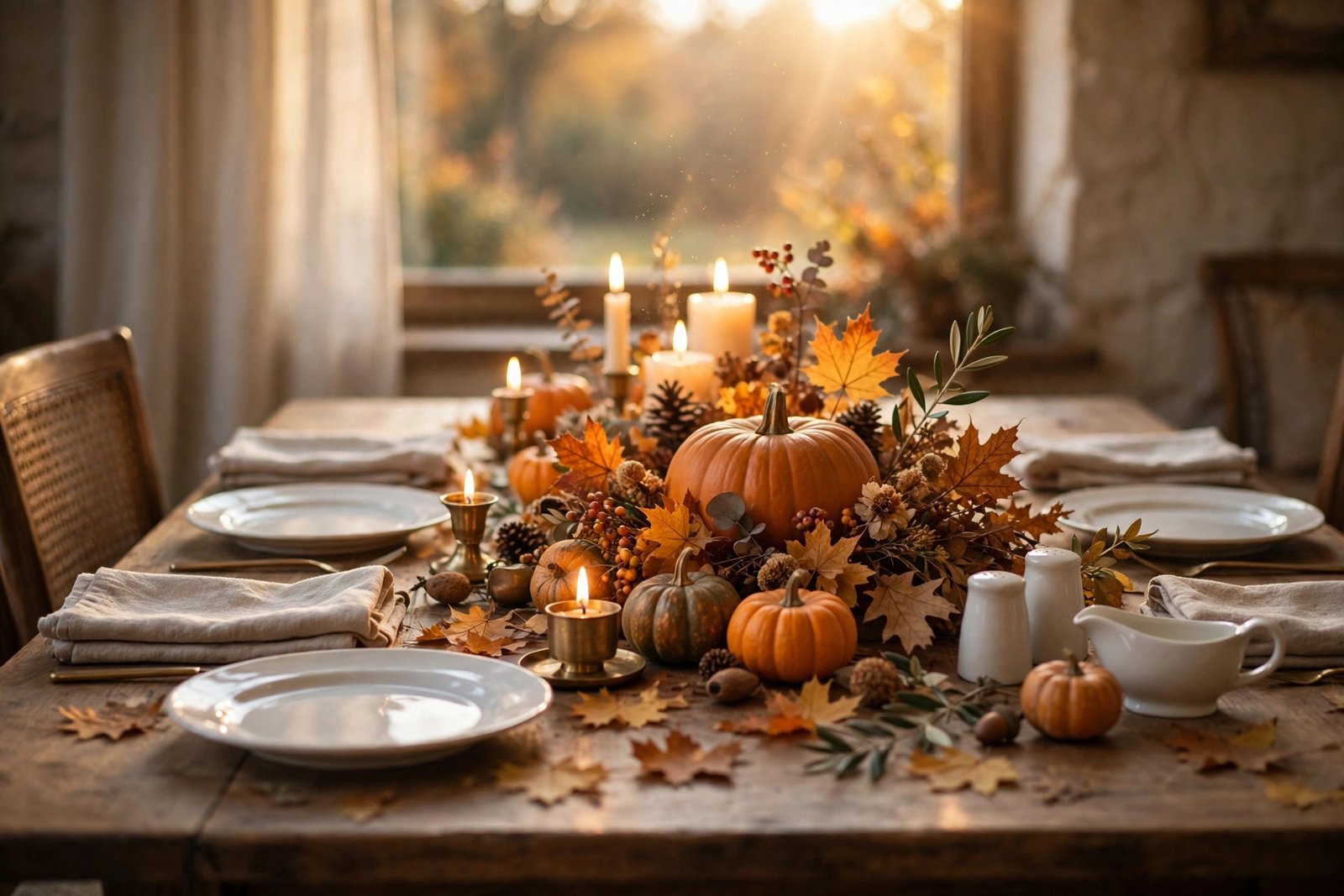
Confirm your guest count one last time and confirm who is bringing what. Write your shopping list from your menu, not from memory. Check that you have the basics: baking dishes, serving spoons, enough plates and cups, trash bags, and storage containers for leftovers. Plan your table simply. Clean plates, placemats, and a few candles or seasonal touches are plenty.
Three to Four Days Before
Shop for nonperishable items and anything you can store easily. Make any dishes that keep well, like cranberry sauce or a dessert that can be chilled. Set the table early if your dining space allows it, so Thanksgiving morning is not a scramble. Tidy the main spaces guests will use: entryway, kitchen, dining area, living room, and bathroom.
Two Days Before
Prep what you can: chop vegetables, make stuffing ahead if your recipe allows, and set out serving dishes with little notes for what goes where. This trick saves so much stress on the day itself. Chill drinks, and make sure you have space in the fridge for guest dishes.
The Day Before
Do most of your cooking that can be done ahead. Set up a drink station, lay out plates and serving dishes, and put fresh towels in the bathroom. Clear a spot for leftover containers. Then stop. Take an early evening for yourself if you can, even if it is just a quiet cup of tea after the kids are in bed.
House Prep: What Matters and What You Can Skip
First time hosts often clean the whole house top to bottom. Save your energy for the rooms guests will actually see and use.
What matters: a clear entryway, a tidy kitchen with counter space to work, a clean bathroom with soap and towels, enough seating, and a place for coats and bags. Clear clutter from the dining table and living room so people can sit and relax. For cozy seasonal ideas that work from fall through winter, see our guide on how to make your home feel warm and cozy.
What you can skip: deep cleaning closets, reorganizing kids rooms, washing windows, ironing cloth napkins, and polishing silver no one will notice. Close the doors to rooms that are not part of the gathering. No one needs a tour of your laundry room.
A Realistic Day Of Schedule
Thanksgiving Day does not need a minute by minute plan. A loose schedule with breathing room works better, especially with kids in the house.
In the morning, start the main dish first, since it usually takes the longest. While it cooks, finish sides that can be made ahead or reheated. Set out snacks guests can enjoy without your help, like cheese, crackers, and fruit.
About an hour before guests arrive, do a quick walk through: bathroom check, trash bag in place, drinks ready, table set. Then change into something you feel comfortable in. You will be on your feet a lot, so choose clothes you can move in.
When guests arrive, welcome them, show them where to put coats and dishes, and let them help themselves to drinks. During dinner, sit down and eat. Many hosts spend the whole meal in the kitchen. Put food on the table, let people serve themselves if that works for your group, and join them. If something is late or a dish is not perfect, laugh about it and move on.
Gracious Hosting Without Perfection
Here is the truth no one tells first time hosts: guests do not remember whether your gravy was smooth or your table was styled. They remember whether they felt welcome, whether there was enough food, and whether the host was relaxed enough to enjoy them.
A few gracious touches go a long way. A simple gratitude moment before dinner, a cozy blanket basket in the living room, or a small take home treat like leftover cookies can make the day feel special. For a calmer mindset around the holidays, see our post on holiday mom burnout and how to soften the season.
If something goes wrong, and something small probably will, keep perspective. A burnt roll, a late side dish, or a spilled drink is not a failed Thanksgiving. It is a story you will laugh about next year.
Frequently Asked Questions
How far ahead should I start planning Thanksgiving?
Start with your guest list and menu two to three weeks ahead if you can. The detailed cooking and house prep can happen in the final week. A simple written menu and a short timeline are usually enough.
How many sides should a first time host make?
Three to five sides is plenty, especially when guests bring a dish or two. Choose sides you feel comfortable making, and pick a mix of starchy, fresh, and sweet options.
Should I ask guests to bring food?
Yes, and ask early with specific dishes in mind. Most guests are glad to contribute, and it takes real pressure off the host. Be clear about what you need, and thank them warmly when they arrive.
What if I do not have enough seating or dishes?
Use what you have creatively. Mix and match plates, use a card table for kids, and borrow folding chairs from family if needed. A cozy, slightly mismatched table feels warm and real.
What if I feel overwhelmed on Thanksgiving Day?
Pause, drink some water, and ask for help with one small task. Let a trusted guest watch the kids or finish setting the table while you take five quiet minutes. Hosting is a team effort, even when it is your house.
Real Mom Notes
If I could tell my first time hosting self one thing, it would be this: lower the bar, and raise the warmth. I spent my first Thanksgiving trying to do everything from scratch, and I barely sat down. The next year, I asked for help, bought the rolls, and actually enjoyed dinner with my family. Guess which year everyone remembers fondly? The second one.
You do not need to prove anything by hosting. You are already doing something generous by opening your home. Keep the menu simple, let people help, and sit down to eat with the people you love. A calm host makes a calm gathering, and that is the best Thanksgiving gift you can give.
Free printable
Download your free Thanksgiving Hosting Timeline printable here.